
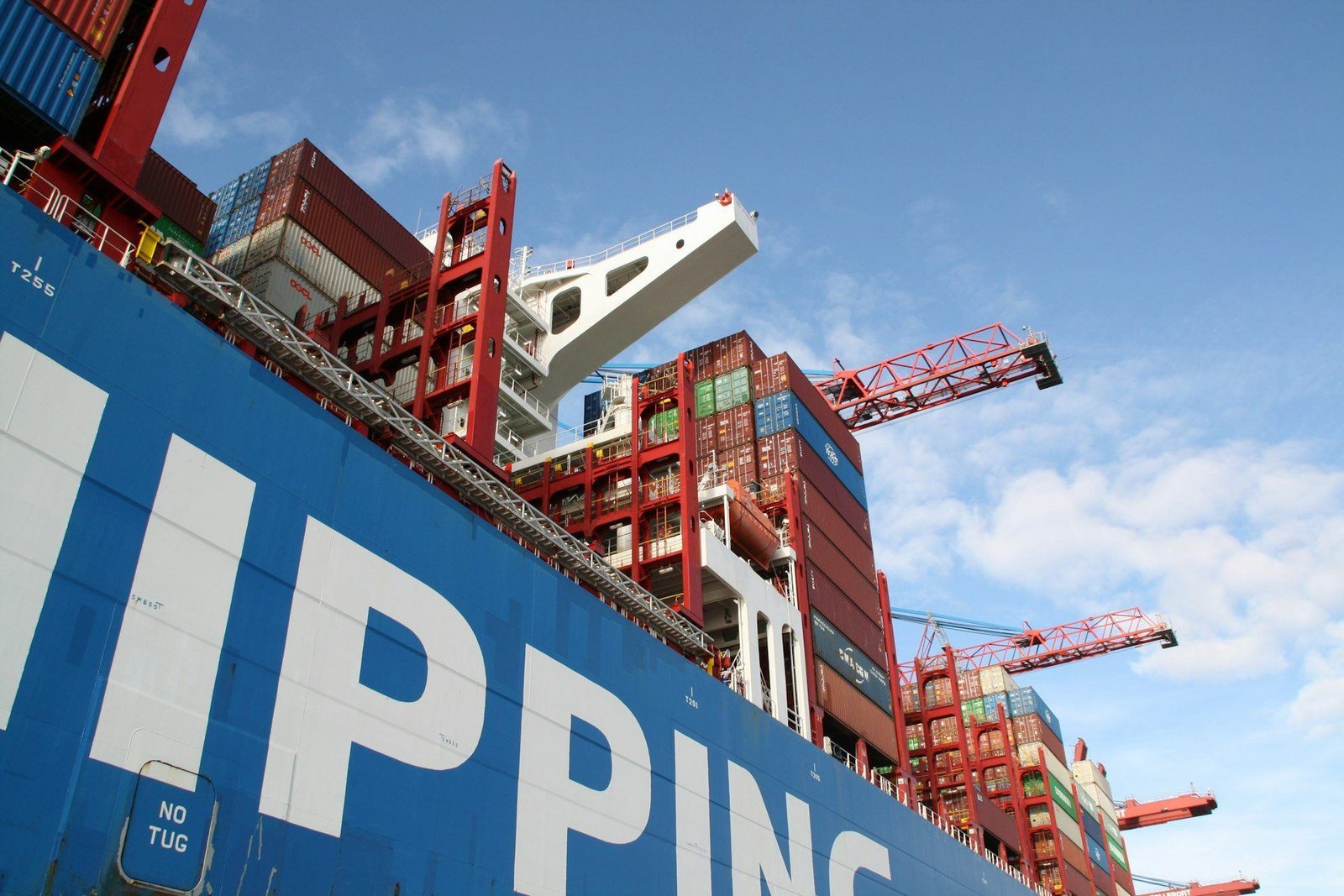
For over five years, OverHead Solutions Inc. — a Texas-based manufacturer of garage door systems — sourced its overhead door torsion springs from a single supplier in eastern China. The relationship worked well enough in the beginning: pricing was competitive, and the supplier could handle their volume of roughly 50,000 springs per month.
Then the program became fragile. Lead times stretched from about six weeks to twelve or more as port congestion and container availability became unpredictable. Every shipment depended on the same origin, the same port, and the same production line. A single disruption anywhere in that chain would stop a US assembly line with no qualified alternative to switch to.
In early 2025, OverHead Solutions decided to qualify AOFENG SPRING (THAILAND) as a second source. The first production lots shipped the same year.
What the transition involved
A change of source is not a purchase order. OverHead Solutions ran it as a qualification program, with the new supplier proving capability before any volume moved.
Drawing review and feasibility
Every torsion spring in the range was reviewed against the customer drawing: wire diameter, coil count, leg configuration, wind direction, finish and load at specified heights. The manufacturing route was confirmed before sampling.
Sampling and measurement
Sample coils were wound, heat treated and measured against the drawing. The customer’s engineering team checked rate, travel, leg angles and coating in their own fixture, the same way they would validate any new source.
Documentation and approval
Inspection records, material certificates and process parameters were submitted with the samples. The customer signed off the sample lot and locked the drawing revision before tooling was released.
Volume with staged inspection
Production began with tightened incoming inspection on the customer side, then relaxed to normal sampling once consecutive lots met the agreed capability. The original supplier stayed in place as a second source.
What changed for the customer
1. A qualified second source, not a replacement
The customer now runs two origins for the same part family. If one region is disrupted, the other can carry volume without requalification. That option is what they were actually buying — the unit price was only part of the decision.
2. Shorter, more predictable lead times
Production in Rayong runs on a quoted lead time with shipment from Laem Chabang Deep Sea Port, which offers direct sailings to the US West Coast. With a stable schedule, the customer cut safety stock by roughly 40% in the first year.
3. Fewer rejects at incoming inspection
In the first year, OverHead Solutions reported a 97% reduction in rejected springs compared with the prior source. Most of that came from dimensional consistency — rate and leg angle holding inside the drawing across the lot — rather than from a single major defect.
4. Faster answers in the same time zone, language and units
A dedicated English-speaking team in Thailand quotes within 24 hours, shares production status during the run, and resolves questions in days rather than weeks. For a purchasing team managing a line stop, response time is part of quality.
What another buyer should take from this
- Qualify before you need it. A second source is only useful if it is already approved when the first one fails. Start the sampling program while the current supply is healthy.
- Approve the process, not just the sample. Ask what parameters are locked, how they are monitored, and what inspection records come with each lot.
- Keep the old source. Dual sourcing is the point. Nothing in this program required the customer to shut down its existing supply.
- Compare landed cost, not unit price. Freight, lead time, inventory carrying cost and inspection burden belong in the same comparison as the quote.
About this case study
Customer name and program details are published with written permission. Volumes and results are as reported by the customer for the first year of production. Every sourcing decision involves commercial, customs and compliance considerations specific to the importer; this article describes a manufacturing and qualification program and is not commercial, legal or trade-compliance advice.
Need a second source you can qualify?
Send a drawing and your annual volume. We will tell you what sampling and validation would involve.